

Founder Profile: Danny Barnhill
- Owner: Danny Barnhill, founder of PaySouth Payroll Services
- Business Model: serving small businesses in South Carolina (95% under 50 employees)
- Structure: Solo operator with a small, long-tenured team
- Client Base: Relationship-driven, primarily small business clients
The Situation
Danny built his payroll business from the ground up, attracted by the stability of recurring revenue and the opportunity to serve local businesses. Over time, he developed a loyal client base that relied on him not just for payroll processing, but for responsiveness and trust. He remained deeply involved in every aspect of the business—from sales to service to compliance. As he approached retirement age, the model that once provided independence began to present challenges.
The Challenge
Danny identified three core risks that made continuing without a transition plan increasingly difficult:
1. Personal Dependency Risk
“What happens to what I’ve built if something happens to me,” Danny wondered. The business relied heavily on his day-to-day involvement. Without him, clients would face immediate disruption.
2. Operational & Industry Risk
Payroll complexity had increased significantly, including:
- Compliance requirements
- Cybersecurity expectations: “As a Small Business owner, one Cyber-Attack could devastate us financially,” Danny worried.
- Technology and platform demands
- Managing all of these as a small, independent operator was becoming more burdensome.
3. Lifestyle Constraints
Running the business limited his ability to step away, spend time with family, and pursue interests outside of work.
The Objective
Danny was not simply looking to sell—he was looking for a transition that would:
- Preserve the client experience he had built
- Protect and retain his employees
- Reduce his day-to-day operational burden
- Ensure long-term continuity for the business
The Process
Beginning around 2020, Danny explored his options by:
- Consulting with trusted industry peers
- Evaluating both large national providers and smaller regional firms
- Defining clear criteria for a successful partnership
Key Decision Criteria:
- Commitment to retaining his existing team
- Ability to maintain a high-touch, relationship-driven service model
- Confidence that clients would not perceive a decline in service quality
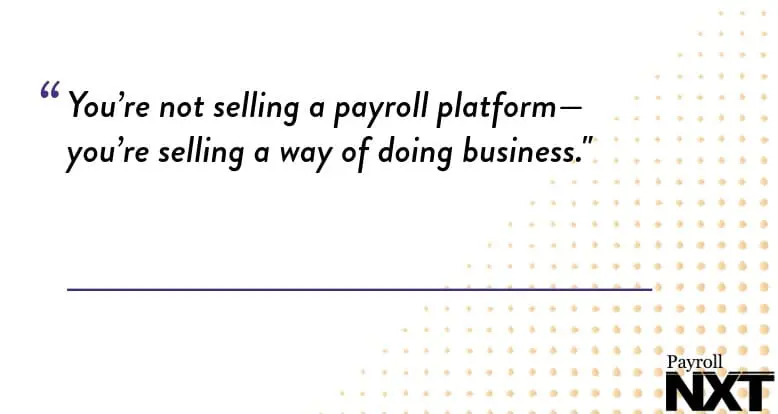
As Danny described his business: “You’re not selling a [payroll] platform—you’re selling a way of doing business.”
For his clients, that meant:
- Familiar voices answering the phone
- Quick, personal problem resolution
- Consistency in how service was delivered
The Solution
Danny ultimately chose to partner with ConnectPay, based on alignment with his priorities.
Why ConnectPay?
- Shared emphasis on service and client relationships
- Willingness to retain and integrate his existing team
- Operational scale to support compliance and security demands
- A transition approach designed to minimize client disruption
The Outcome
The transition delivered benefits across multiple dimensions:
For Danny
- Reduced involvement in day-to-day operations
- Greater flexibility and time outside the business
- Confidence that his clients and team were in good hands
For Employees
- Continuity of roles within a larger organization
- Access to broader resources and support
For Clients
- Maintained service experience and relationships
- Increased operational support behind the scenes
- No perceived “downgrade” in service quality
Key Takeaways for Payroll Business Owners
- Dependency on a Single Owner Is a Hidden Risk
If your business cannot operate without you, transition planning is critical. - Complexity Is Increasing—Not Decreasing
Compliance, cybersecurity, and technology demands will continue to grow, particularly for small operators. - Client Experience Should Drive Partner Selection
For relationship-based businesses, preserving how service is delivered is just as important as financial terms. - Transition Planning Is About Continuity, Not Just Exit
The right partner ensures stability for clients and employees—not just liquidity for the owner.
Final Thoughts
Danny’s transition illustrates a common reality for independent payroll owners: success often creates dependency. By proactively planning his transition, and selecting a partner aligned with his values, he was able to protect what he built—while creating flexibility for what comes next. For owners in a similar position, the question is not whether to plan a transition—but when and how to do it on your own terms.
If you’d like to connect with Danny or discuss this topic further, click here to schedule your free 15 minute call.